Artificial Grass Solutions for Faerie Glen Homes and Gardens
Properties across Faerie Glen vary widely—from established full-title stands climbing the Bronberg ridge to modern lock-up-and-go complexes near main access routes. Because layout, sunlight, and gradient differ from one stand to the next, homeowners use synthetic turf to solve several distinct landscaping needs:
- Residential gardens: Replace patchy or winter-dormant kikuyu under mature shade trees with a neat, low-maintenance lawn that stays green year-round.
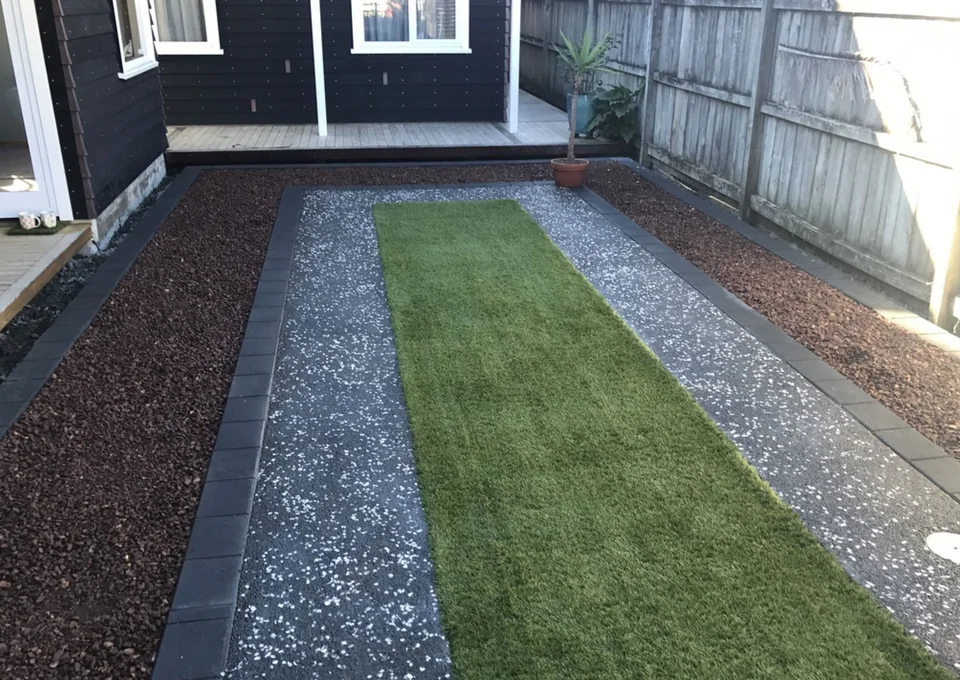
- Townhouse courtyards: Turn narrow, walled side passages and compact paved yards into soft, usable outdoor areas without squeezing a lawnmower through tight gates.
- Pool surrounds: Frame swimming pools cleanly up to paving or coping edges so wet grass clippings stay out of skimmer baskets and soil splash stays off tiled decks.
- Sloping gardens: Stabilise steep embankments and driveway banks where natural lawn struggles to hold topsoil during heavy summer rain.
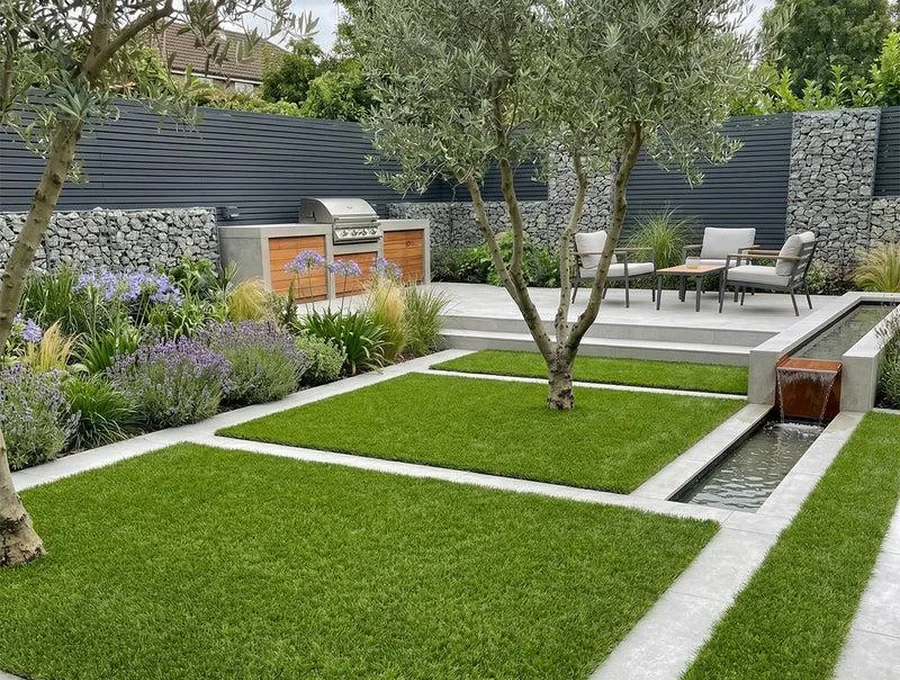
- Split-level landscaping: Connect terraced patios, garden steps, and retaining-wall tiers with tidy perimeter cuts and consistent blade direction.
- Outdoor entertainment spaces: Create mud-free footing around covered braai areas, verandas, and family seating zones built for regular weekend use.
Choosing the right product is not one-size-fits-all. Suitable turf selection depends on your intended use (such as daily foot traffic, patio furniture, dogs, or visual feature lawns), preferred pile height across our 10mm to 40mm range, site drainage requirements, existing ground conditions (red clay, rocky shale, live kikuyu, or concrete paving), and the preparation required beneath the carpet.
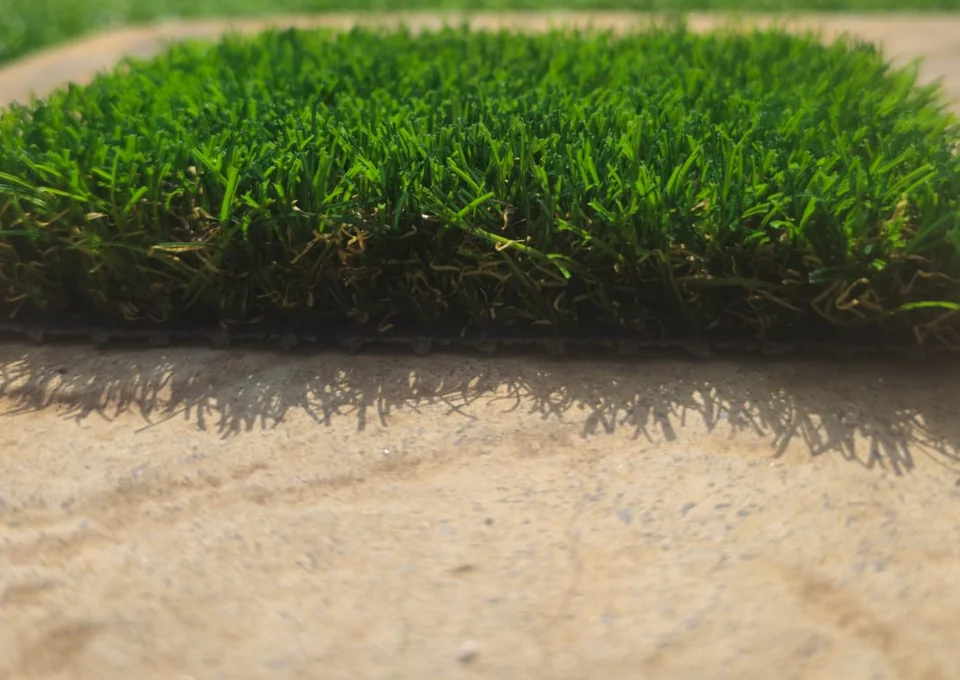
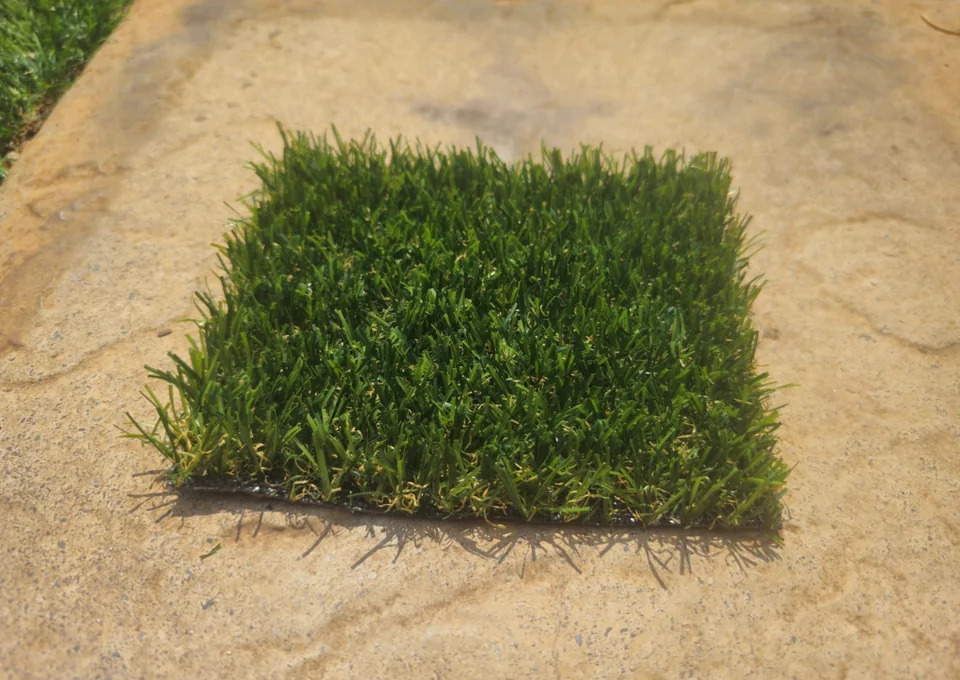
Because swatches look different outdoors beside your own paving and boundary walls than they do on a screen, Harties Turf offers product samples and site assessments by appointment. During a scheduled visit, we check ground levels, access, and runoff lines so your written quotation reflects your actual property conditions.
Artificial Grass Installation on Sloping Gardens in Faerie Glen
No two stands along the Bronberg ridge share identical ground conditions. Upper Faerie Glen properties often expose rocky shale alongside terraced retaining walls, lower slopes and Constantiapark yards transition into moisture-retaining red clay or deep kikuyu, and townhouse sections combine compact soil beds with paved stoeps. Because slope angle, soil condition, water movement, and existing landscaping vary from property to property, the preparation and drainage approach is matched to the stand rather than forced into one fixed method.
Why Bronberg slopes need crushed stone compaction—not sand beds
On flat yards, shortcuts with cheap plaster sand merely create lumpy divots. On sloping residential lawns in Faerie Glen and Constantiapark, sand washes out underneath the grass carpet during the first December storm—undermining join seams and bulging against garden walls.
Our installation workflow builds structural stability beneath the carpet wherever soil or slopes are involved:
- Ground preparation & root removal: On vegetated or clay slopes, old organic turf, kikuyu runners, and soft topsoil are excavated (typically 70–100mm deep, depending on root depth and subgrade firmness) so decaying material does not settle or heave beneath the lawn.
- Geofabric & angular aggregate sub-bases: Heavy permeable non-woven weed geofabric is pinned over the prepared subgrade, followed by angular crushed-stone aggregate that locks together mechanically rather than shifting like rounded river or building sand.
- Surface compaction & water runoff control: The crushed stone layer is shaped to controlled fall lines and mechanically plate-compacted so surface runoff flows cleanly away from house walls, steps, and lower terraces instead of eroding channels beneath the backing.
- Retaining walls & split-level drainage: Split-level gardens built between brick or stone retaining walls require clear drainage paths. Perforated turf backing allows rain and pet rinse water to percolate straight down into the porous aggregate base, while boxed-in terraces bounded by solid footings must discharge toward channel drains, weep outlets, or subsurface agricultural pipes so water never collects behind a retaining wall.
- Perimeter restraints: Sloped turf must stay tensioned and anchored against summer downpours. Borders are trimmed flush against kerbs or masonry and secured using steel U-pins into compacted stone edges, or structural perimeter bonding where turf meets sound concrete coping or tiled patios.
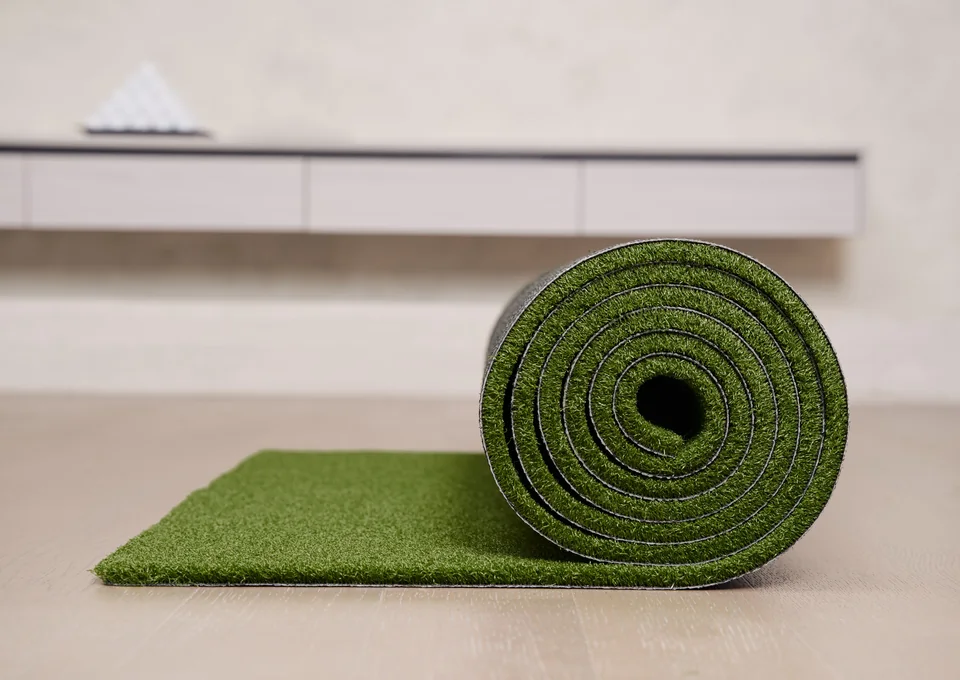
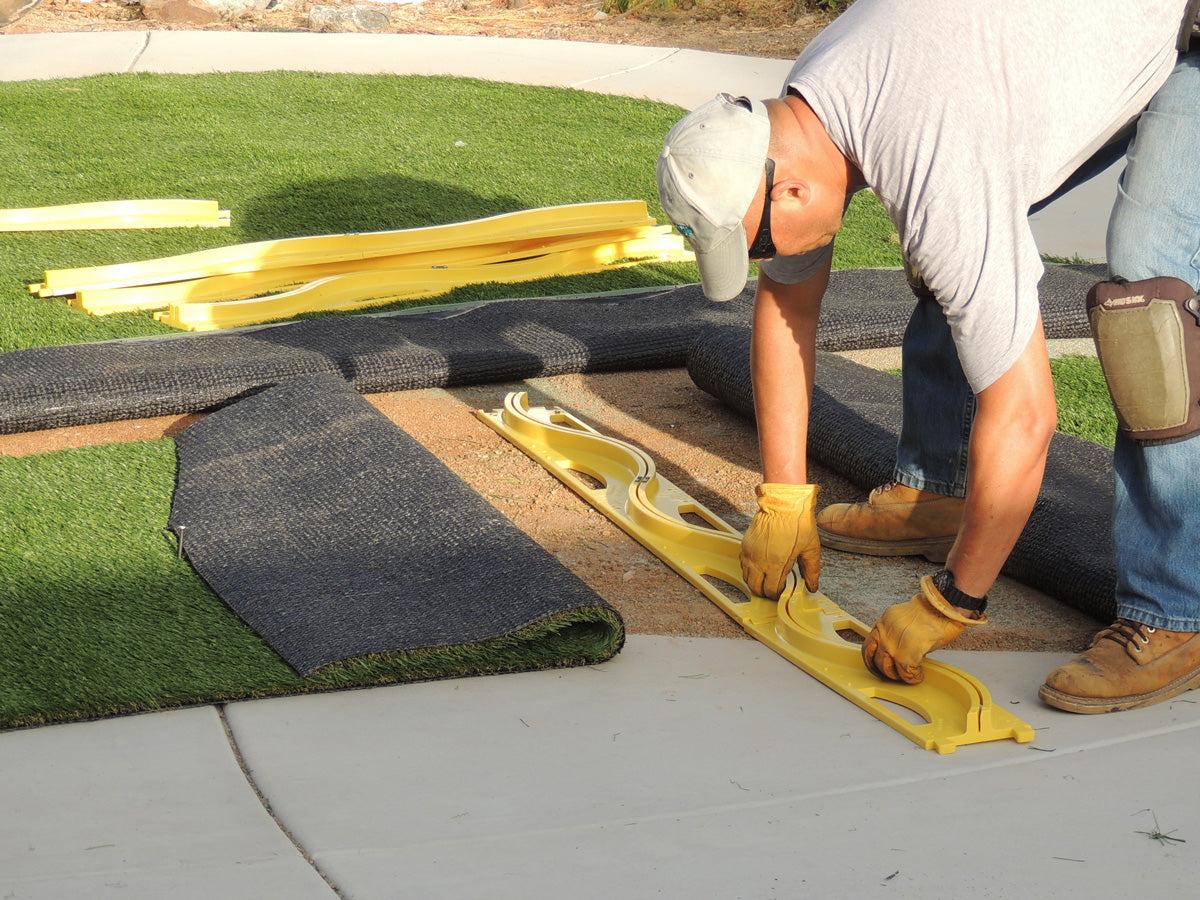
- Turf joining methods across terraces: On wide sloping lawns and split-level gardens, 2m or 4m rolls are positioned with every piece running in the same blade-grain direction—never rotating off-cuts sideways on lower tiers. Factory selvedge edges are trimmed back carefully so stitch rows space evenly across the seam, then bonded underneath using outdoor seaming tape and weather-resistant polyurethane turf adhesive before brushing the join upright.
Split-level pool & active family dog benefits
- Eliminate dangerous slope mowing: Replace steep grass banks beside steps and driveway aprons with cushioned 25mm or 30mm synthetic lawn so slopes stay trimmed permanently.
- Cleaner pool decks & water bowls: No soil splashes into lower-terrace swimming pools when afternoon rain tumbles down the ridge.
- Pet-ready drainage through red clay: Perforated backing lets water penetrate freely into crushed aggregate below—avoiding stagnant mud patches where dogs pace along fencelines.